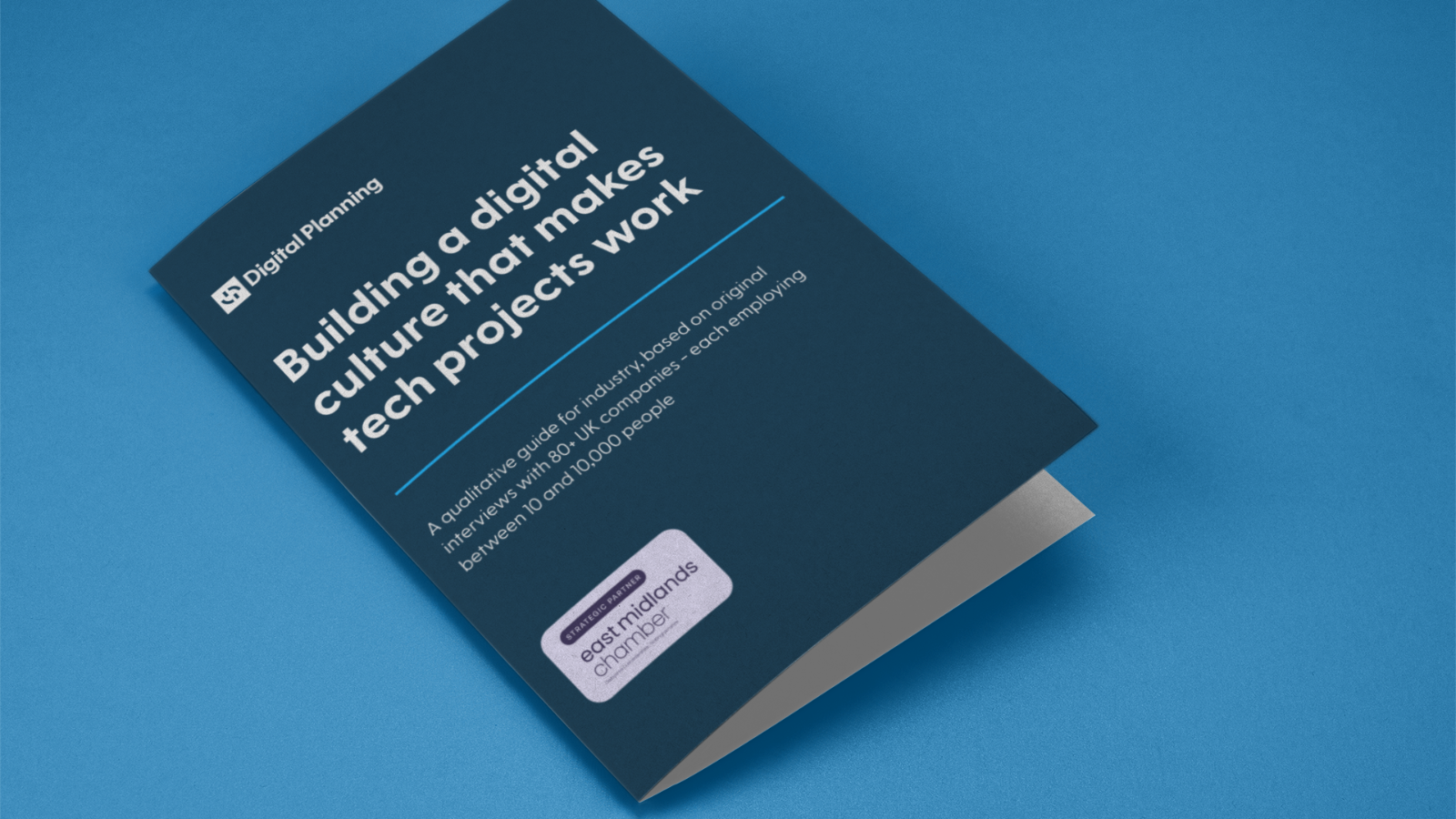
Digital Planning has published a new research guide, Building a digital culture that makes tech projects work, which sets out why so many AI and digital projects stall.
Based on 80+ interviews with UK organisations employing between 10 and 10,000 people, the guide is designed to be read in under 10 minutes.
It focuses on the cultural factors that determine whether digital tools are actually used, rather than the technology itself.
SMEs now have easier access to AI than ever before – but in the past 12 months as AI has kept changing, the gap has widened between organisations that reshape how they work around AI and those that just add tools on top of old processes.
The culture gap
Across the interviews with 80+ businesses Digital Planning saw that digital tools were ignored by staff due to lack of training and reverting back to spreadsheets within weeks.
In most of the projects which failed, the root cause was cultural – an unprepared workforce, leaders who did not role‑model new ways of working, or middle managers who pushed back because they hadn’t been involved in the change.
This creates a “culture gap” between what the organisation has paid for and the digital behaviours it actually practises.
Findings
Digital Planning’s analysis shows that 77% of the hardest challenges reported were “invisible costs” such as change management, sponsorship and incentives. The data also shows:
- 43% of respondents said executive sponsorship was the biggest accelerator of success.
- 35% named staff functions as the most frequent source of resistance, ahead of end users and even C‑level leaders.
- 61% of successes included a prior failed attempt where culture had not been treated as a process and change project.
The guide showcases organisations that are leading the way with AI. These organisations build the case for people, not just for the business, by showing how AI makes life easier for staff, rather than leading with cost savings.
They involve the people doing the work before tools are chosen and treat AI literacy as a continuous habit. They also deliberately close silos by putting cross‑functional teams on the same problems.
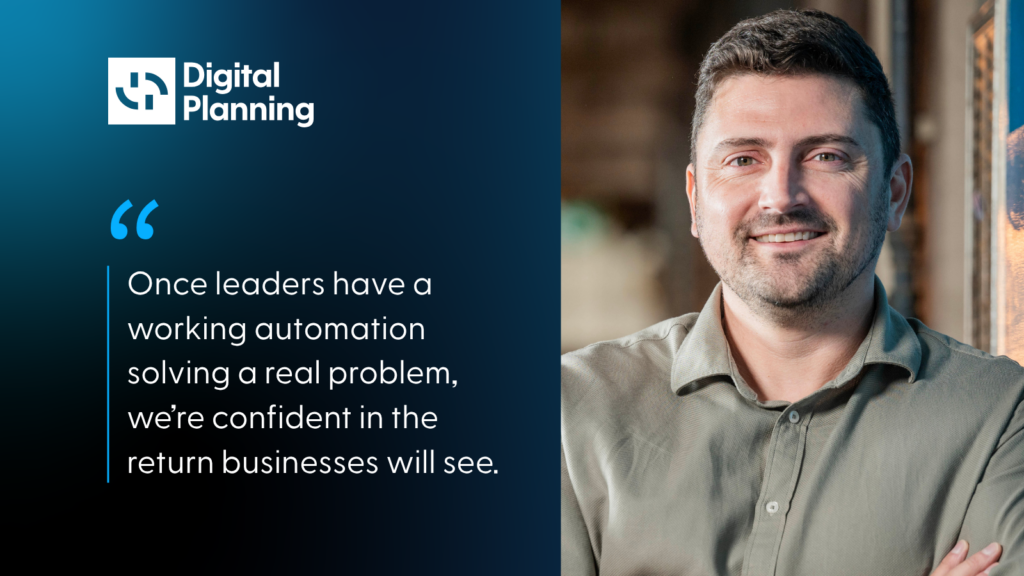
Co-founder Mark Underwood said: “At Digital planning we see day-to-day how important it is to include people in the process.
“If you want staff to get behind AI, you have to give them space to ideate and experiment.”
Download the guide: https://www.digitalplanning.tech/culture-guide/